Exclusive Programs For Kids
Dates Between ...
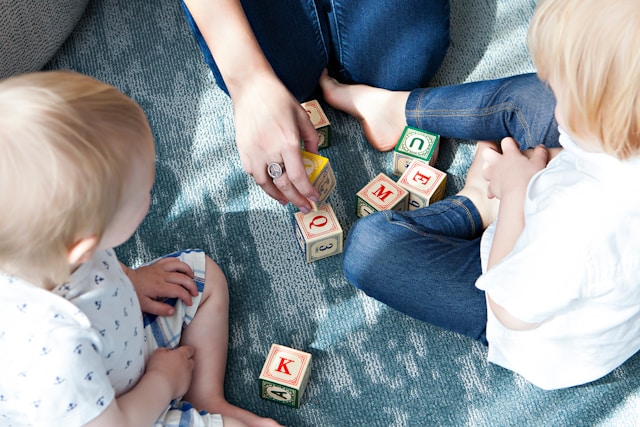
Play-based learning is the main way children learn in early childhood education. Children develop skills by actively playing, exploring materials, and using their imagination. For example, when children build with blocks, they learn problem-solving and balance. When they engage in pretend play, such as cooking or dressing up, they develop language and social skills. This approach supports natural and meaningful learning.
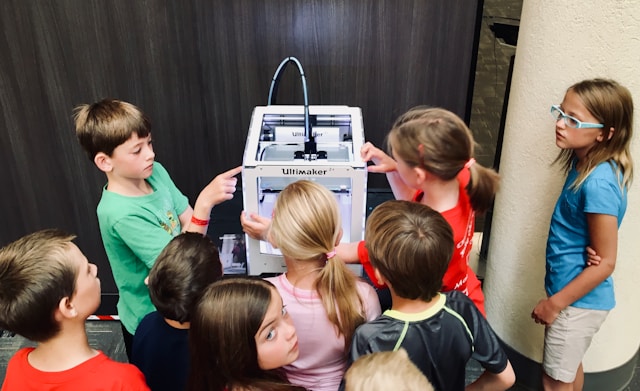
Exploration, also known as inquiry learning, happens when children are curious and want to find out how things work. Teachers support this by following children’s interests and encouraging them to ask questions. For example, children may explore insects in the garden or experiment with mixing colours. Through these experiences, they learn to think, investigate, and discover new ideas.
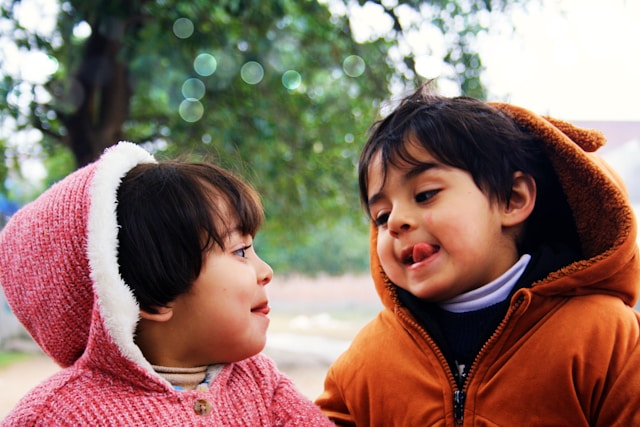
Language and communication development focuses on helping children express themselves and understand others. This includes speaking, listening, and early literacy skills. Children develop language through everyday interactions such as storytelling, singing songs, and conversations during play. For example, a teacher reading a story or talking with a child about their drawing helps build vocabulary and confidence in communication.
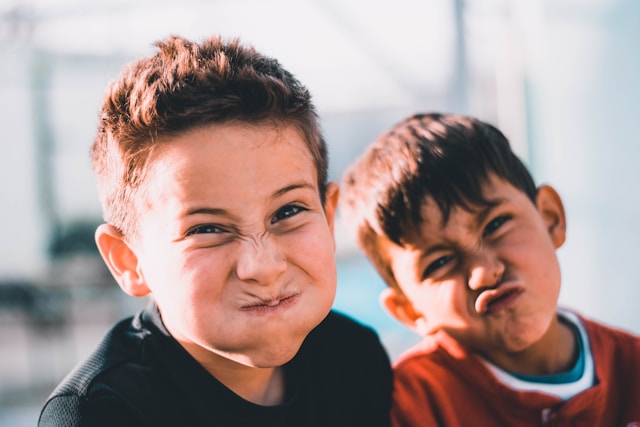
Social and emotional development helps children learn how to build relationships and manage their feelings. Children learn to share, take turns, and cooperate with others. They also learn to understand emotions, both their own and others’. For example, comforting a friend who is upset or learning to wait for a turn are important social skills developed in this area.
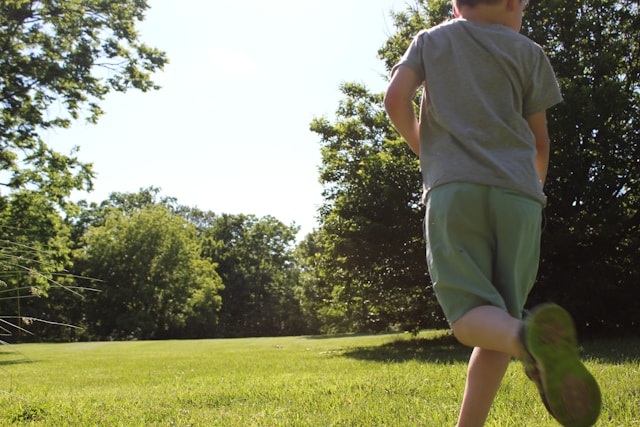
Physical development supports children in learning how to use their bodies. This includes both gross motor skills, such as running and climbing, and fine motor skills, such as drawing and using scissors. For example, outdoor play helps children build strength and coordination, while activities like threading beads help develop hand control.
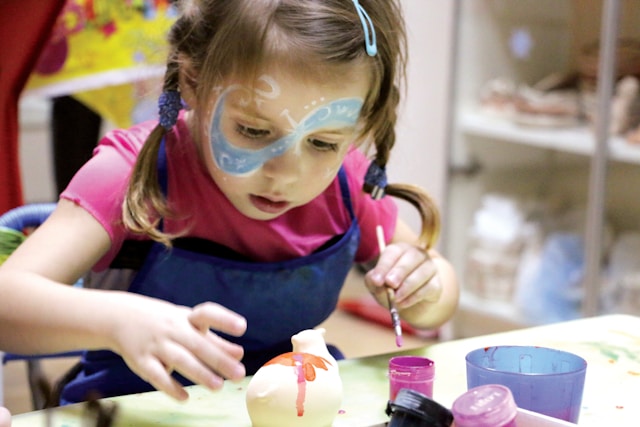
Creative Arts Creative arts allow children to express their ideas and feelings in different ways. Activities such as painting, music, dance, and dramatic play encourage creativity and imagination. For example, children might paint a picture to express how they feel or act out a story using costumes and props.
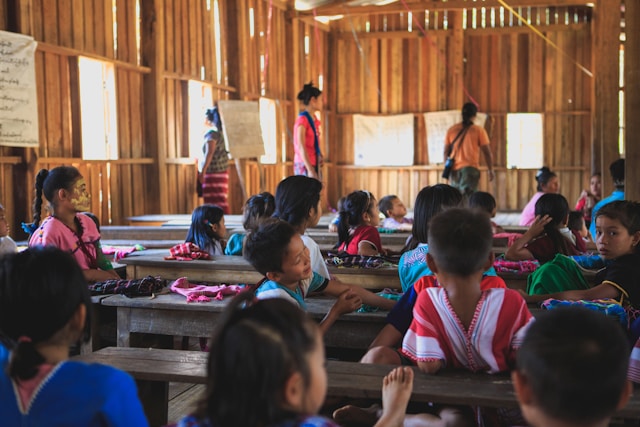
Cultural and bicultural learning is an important part of early childhood education in New Zealand and is guided by Te Whāriki. Children learn about their own culture as well as Māori culture. This may include learning simple te reo Māori words, singing waiata, and celebrating different cultural traditions. This helps children develop a sense of identity and belonging.
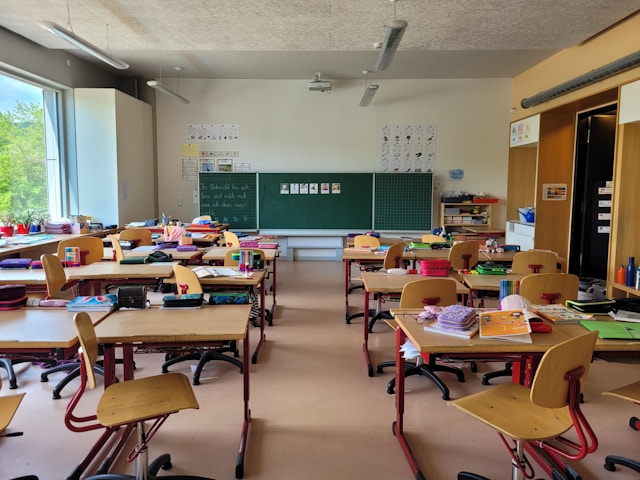
Local curriculum means that learning is based on the children’s environment, community, and interests. Each early childhood centre designs its programme to reflect what is important in their local area. For example, children living near the beach may learn about sea life, while those in a city may explore local parks or community places.
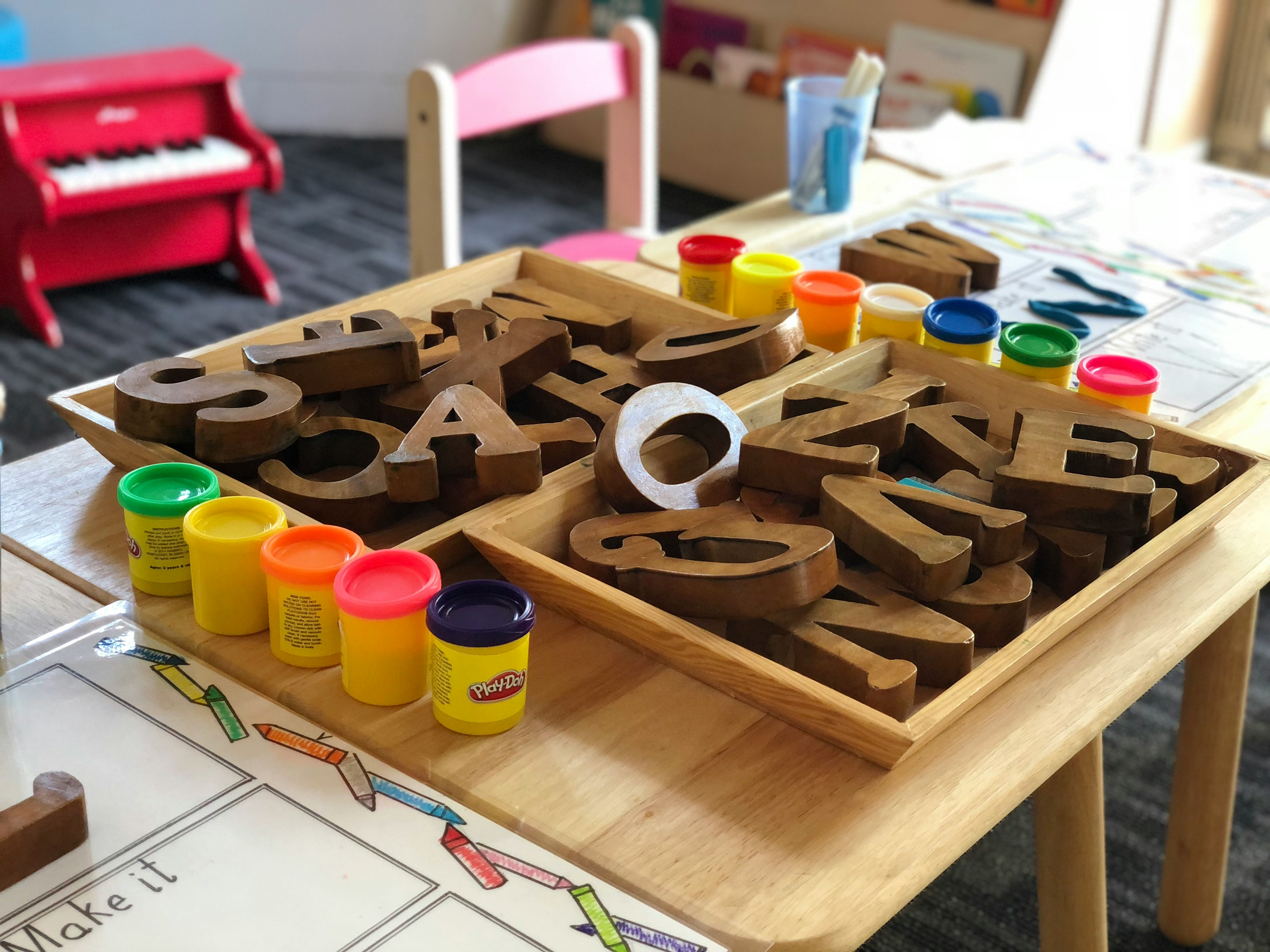
Structured but flexible learning experiences involve teachers planning activities with clear learning goals, such as literacy and numeracy, while still allowing children to learn through play. For example, children may develop early maths skills by counting objects during play or learn literacy skills through stories and conversations. The learning is intentional but remains flexible to suit children’s interests and needs.
Children are encouraged to explore and discover through sensory play experiences such as water play, sand play, music, textures, colours, and natural materials. These activities support brain development, curiosity, creativity, and early learning in a fun and engaging way.